
CELEBRITY
⚡ LEONOR AT THE CENTRE OF A ROYAL STORM: Spain’s Future Queen Faces Growing Public Scrutiny as Her University Life, Royal Duties and Political Future Ignite Heated Discussions Across the Country!

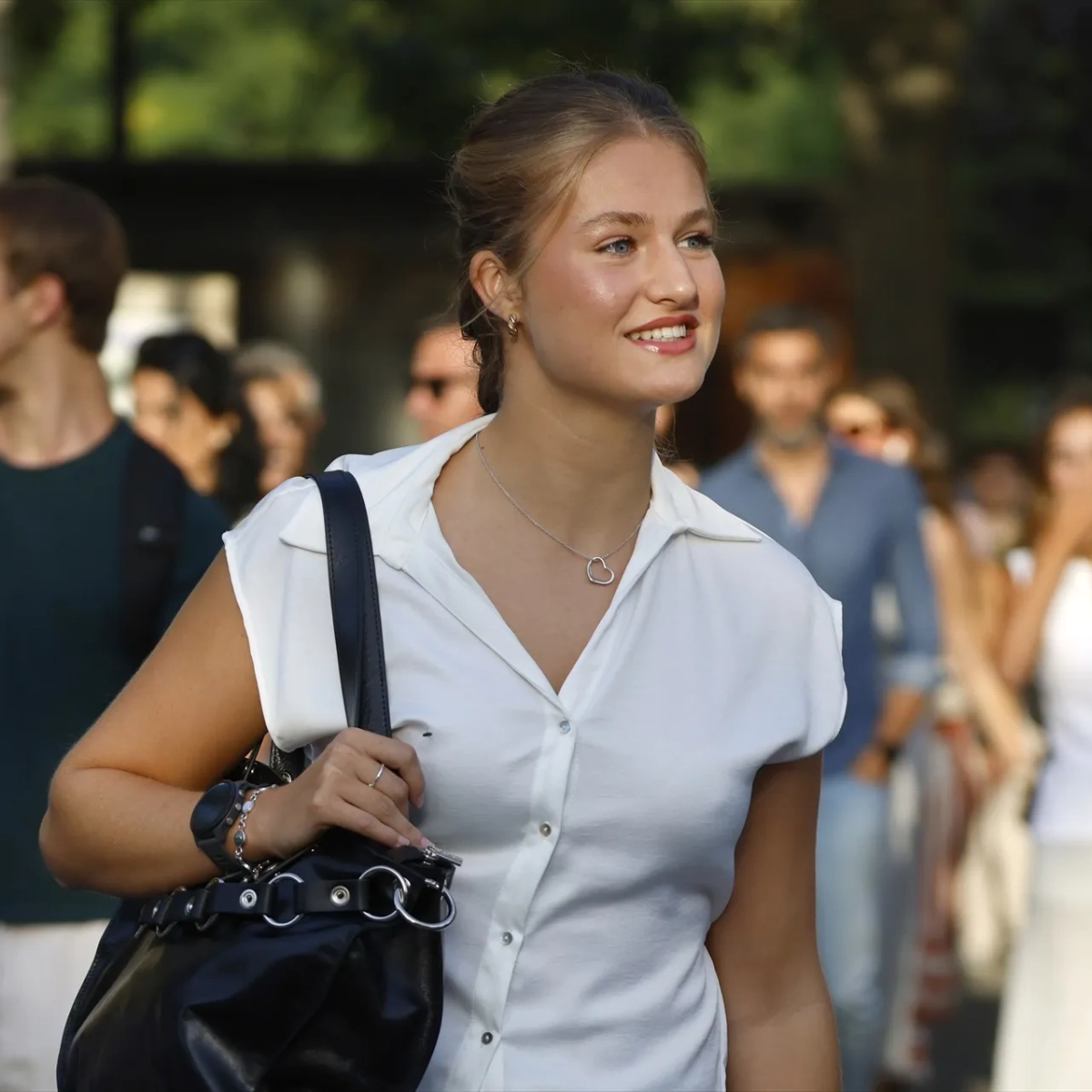
Spain’s future queen, Princess Leonor, is increasingly attracting public attention as she enters a significant new chapter in her life, balancing university education with the responsibilities and expectations that come with being the heir to the Spanish throne.
At just 21, the Princess of Asturias is already one of the most closely watched members of Europe’s royal families. Her growing public profile, academic journey and preparation for a future constitutional role have placed her at the centre of conversations about the future direction of the Spanish monarchy.
A NEW UNIVERSITY CHAPTER UNDER PUBLIC SCRUTINY
One of the biggest developments in Leonor’s life has been her transition into university education.
In September 2026, she began a four-year Political Science degree at Carlos III University of Madrid, studying at its Getafe campus. The programme covers subjects including politics, law, economics, history, sociology and international relations.
The announcement generated considerable public interest, particularly because her university experience is expected to run alongside her institutional responsibilities.
Her admission also attracted questions about university access and whether the arrangements available to a royal heir are comparable with those experienced by ordinary students.
Reports indicated that Leonor entered through the university’s established admissions procedure for students who completed their secondary education abroad. Nevertheless, the discussion highlighted broader questions about privilege, equality and public expectations.
BALANCING UNIVERSITY LIFE WITH ROYAL RESPONSIBILITIES
Leonor’s university experience presents an unusual challenge.
Unlike most students, her academic commitments exist alongside an established programme of public appearances, official ceremonies and responsibilities connected to her position as Princess of Asturias.
The Spanish Royal Household has indicated that she will continue combining her education with institutional engagements, following the approach adopted during her previous academic and military training.
Her university presence has also attracted considerable media attention, raising questions about privacy, security and the extent to which the royal family can allow her to experience ordinary student life.
For many observers, this balancing act represents an important part of her preparation for the future.
THE BIGGER QUESTION: WHAT DOES THE FUTURE HOLD FOR SPAIN’S MONARCHY?
Beyond university life, Leonor’s growing responsibilities have reopened conversations about the future of the Spanish monarchy.
King Felipe VI has worked to maintain the institution’s public standing while navigating questions surrounding transparency, accountability and the role of the royal family in modern Spanish society.
Leonor’s generation will eventually inherit an institution facing expectations that may differ considerably from those experienced by previous generations.
Some commentators see her education and military preparation as important elements of a carefully structured transition towards future leadership.
Others argue that the monarchy must address wider questions about its relevance, public accountability and relationship with younger generations.
A 2026 academic study examining attitudes towards European monarchies also highlighted the particularly divided public conversation surrounding Spain’s constitutional monarchy. However, Leonor herself has attracted considerable interest within that debate.
WHY PRINCESS LEONOR IS ATTRACTING SO MUCH ATTENTION
Leonor’s appeal extends beyond traditional royal ceremonies.
Her military education, university experience, public speeches and appearances have helped establish her as a prominent figure in Spain’s next royal generation.
Her position also comes with an unusual level of scrutiny. Decisions that might be considered ordinary for someone her age can become national talking points because of her future constitutional responsibilities.
That attention creates a difficult balance between allowing her to develop personally and maintaining the public visibility expected of a future monarch.
There is also a generational dimension. Younger Spaniards will form an important part of the public that eventually evaluates her reign, making questions about accessibility, transparency and modernisation particularly relevant.
ALL EYES ON SPAIN’S FUTURE QUEEN
For now, Princess Leonor continues to navigate university life while gradually developing her public responsibilities.
Her journey is being watched not simply because she is the daughter of King Felipe VI and Queen Letizia, but because she represents the next chapter in an institution whose future continues to generate debate.
Whether public attention surrounding her university experience translates into lasting confidence in the monarchy remains an open question.
One thing is clear: Leonor’s future will be shaped by more than royal tradition. Her education, public conduct and relationship with Spanish society will all contribute to the expectations surrounding her eventual role.
As discussions about the monarchy continue, Spain’s future queen finds herself at the centre of an increasingly important national conversation.

SAD NEWS: Prince William and Princess Catherine Rushed for Emergency Medical Attention After Terrifying Mumbai Rickshaw Accident! King Charles Reportedly Receives Devastating News as Palace Officials Face Growing Questions About the Couple’s Condition. But What Happened to Catherine Moments After the Rickshaw Plunged Into the Water Has Left Royal Watchers Deeply Worried

President Trump joins world leaders for a Family Photo at the APEC gathering in China, greeting Chinese President Xi Jinping and other leaders before they pose together the moment comes as Trump meets with international leaders for high-level diplomatic talks.

12 A.M. BUCKINGHAM HORROR! With eyes brimming with tears, William stood as the final pillar of the monarchy, announcing a catastrophic loss. Anne and the princes were called in at once — Harry excluded. Then, a wail of despair echoed through the hall: ‘My brother… oh God… you have

🔥🚨 PURE CHAOS AT THE 38TH PARALLEL! TRUMP STUNS THE WORLD BY STEPPING INTO NORTH KOREA — BUT HIS BODYGUARDS’ PANICKED REACTION STEALS THE SHOW! SECURITY AGENTS APPEAR ON HIGH ALERT AS TENSIONS EXPLODE IN A HEART-STOPPING MOMENT THAT HAS THE INTERNET GOING WILD! 😱🌍

♥️🔥🚨Meghan Markle, 45, spotted sharing a deeply intimate moment with Prince William, 44, at a UK beach without Prince Harry and Kate Middleton, unaware they were being photographed, as one shocking detail about Meghan’s look raises big questions👀

💔 PRINCE WILLIAM DEVASTATED! Emotional Royal Update About His Father, King Charles, Leaves Fans Heartbroken as Palace News Sparks Concern..We are sorry to Announce…..

🚨 ROYAL FANS STUNNED! Strange Mark on Princess Katherine’s Hand Sparks Questions During Mumbai Metro Ride — But What Prince William Did as She Fell Asleep Has Everyone Talking! 😳

🚨🚨 BREAKING!!! 17 minutes ago King Charles finally makes huge announcement following his heart-breaking health update as ‘bits are dropping off’.

BREAKING: King Charles Left SOBBING After Receiving Devastating News About Prince Harry in Ukraine! His Heartbreaking Reaction Has Left Royal Fans in Tears, as One Palace Insider Reveals the Painful Words King Charles Could Barely Bring Himself to Say…

King Charles issues heart-breaking health update as ‘bits are dropping off’

🚨 BREAKING: Trump Hints at Kim Jong Un Meeting During China Trip, But What Happened After His Interview Has Raised BIG Questions! After Tapping His Leg, Trump Appeared to Stumble and Fall While Walking Away, Sparking Fresh Concerns About His Health, Questions Over His Fitness to Remain President, and Renewed Calls From Critics for His Impeachment! 👀
