
CELEBRITY
🔥 PRINCESS LEONOR BOMBSHELL: Fresh Criticism Over Her Public Speeches and Royal Responsibilities Puts Spain’s Future Queen Under the Spotlight as Questions Grow About Her Readiness to Follow King Felipe VI!

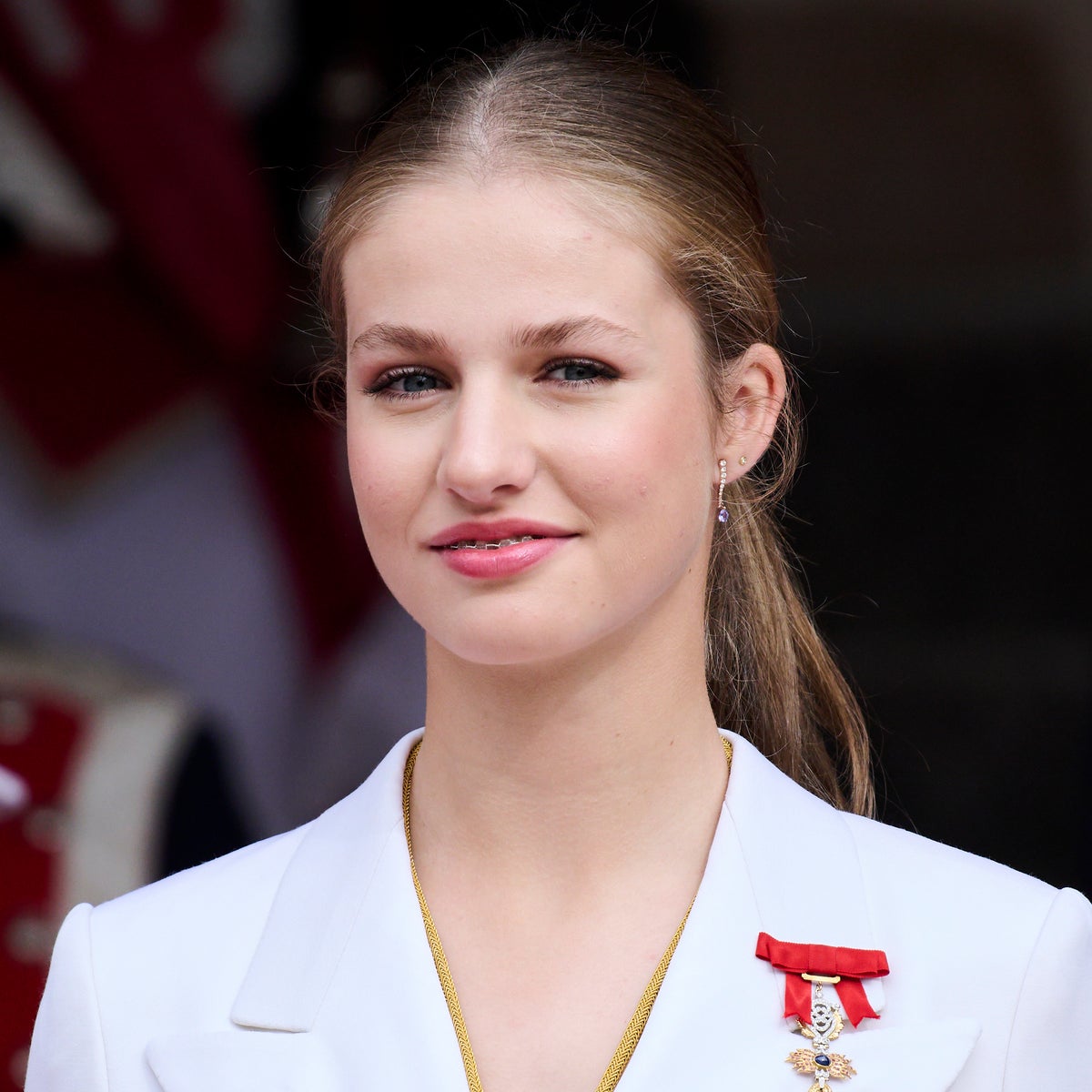
Spain’s future queen, Princess Leonor, is attracting increasing public attention as she gradually takes on a more prominent position within the Spanish monarchy. With her responsibilities expanding and her public appearances becoming increasingly significant, questions about the expectations surrounding her future reign are becoming an important part of the royal conversation.
The 20-year-old Princess of Asturias is being prepared to succeed her father, King Felipe VI, as head of state. However, growing visibility also brings greater scrutiny, particularly concerning her public speeches, royal engagements and ability to represent the institution in the years ahead.
Public Speeches Put Leonor Under the Spotlight
One of Leonor’s most closely watched recent appearances came at the 2026 Princess of Asturias Awards in Oviedo.
During her speech on October 23, the young royal addressed the challenges facing her generation, including economic inequality, uncertainty, conflicts and the difficulties young people experience when planning their futures.
She acknowledged the growing sense of disappointment among young people while encouraging them not to abandon hope.
Her remarks attracted considerable attention, with Spanish media highlighting her attempt to connect the monarchy with the concerns of younger generations.
However, public speeches from a future monarch inevitably attract different interpretations. Some observers may welcome her willingness to discuss difficult social realities, while others may question how effectively royal speeches can translate into a meaningful connection with ordinary citizens.
The debate reflects the difficult position Leonor occupies: she must represent a historic institution while demonstrating an understanding of a rapidly changing society.
The Expectations Surrounding Spain’s Future Queen
Leonor’s responsibilities extend far beyond attending royal ceremonies and delivering carefully prepared speeches.
Her preparation has included an extensive military education covering Spain’s Army, Navy and Air and Space Force.
According to Spain’s official military training framework, her preparation reflects the constitutional responsibility that the monarch will eventually hold as commander-in-chief of the armed forces.
This programme represents an important part of the preparation for her future position.
Nevertheless, royal preparation is not simply about completing formal training. Public communication, constitutional responsibilities, institutional representation and relationships with different sections of Spanish society will also form important aspects of her future role.
These expectations help explain why her every major appearance attracts considerable interest.
King Felipe VI’s Legacy Adds Another Layer of Pressure
Another important factor is the legacy of King Felipe VI.
Since becoming king in 2014, Felipe has represented Spain during a period of considerable political and social change. His position has required him to navigate institutional challenges while maintaining the monarchy’s constitutional role.
For Leonor, following her father’s footsteps will involve a different set of circumstances.
Spanish society is changing, younger generations have different expectations of public institutions, and the monarchy continues to face questions about its relevance and future.
Consequently, Leonor will eventually have to establish her own public identity while respecting the responsibilities associated with the Crown.
Is Spain Watching a New Generation of Royal Leadership Emerge?
The growing attention surrounding Leonor reflects a broader question about the future of Europe’s royal institutions.
Younger royals are increasingly expected to communicate with modern audiences, understand contemporary concerns and demonstrate an awareness of the societies they are expected to represent.
For Leonor, this transition will take time.
Her recent public appearances suggest that she is gradually assuming a more visible position, including taking part in important royal engagements and undertaking responsibilities alongside her parents.
Yet it would be premature to treat every criticism or public reaction as evidence of a wider rejection of her future role.
There is also an important distinction between questioning the institution of monarchy and evaluating Leonor’s individual performance as its heir.
The Future of the Spanish Monarchy Remains Under Attention
As King Felipe VI continues his reign, Princess Leonor’s preparation will remain an important subject of public interest.
Her speeches, official engagements and growing responsibilities will inevitably attract attention because she represents the next generation of Spain’s royal institution.
Whether her public approach will meet the expectations of all sections of Spanish society remains an open question.
For now, one thing is clear: Leonor’s journey towards the Spanish throne is no longer simply a distant royal prospect. It is gradually becoming a visible part of the monarchy’s present.
And as expectations continue to grow, Spain will be watching how its future queen develops her own voice, public identity and understanding of the responsibilities that may one day accompany the Crown.

SAD NEWS: Prince William and Princess Catherine Rushed for Emergency Medical Attention After Terrifying Mumbai Rickshaw Accident! King Charles Reportedly Receives Devastating News as Palace Officials Face Growing Questions About the Couple’s Condition. But What Happened to Catherine Moments After the Rickshaw Plunged Into the Water Has Left Royal Watchers Deeply Worried

President Trump joins world leaders for a Family Photo at the APEC gathering in China, greeting Chinese President Xi Jinping and other leaders before they pose together the moment comes as Trump meets with international leaders for high-level diplomatic talks.

12 A.M. BUCKINGHAM HORROR! With eyes brimming with tears, William stood as the final pillar of the monarchy, announcing a catastrophic loss. Anne and the princes were called in at once — Harry excluded. Then, a wail of despair echoed through the hall: ‘My brother… oh God… you have

🔥🚨 PURE CHAOS AT THE 38TH PARALLEL! TRUMP STUNS THE WORLD BY STEPPING INTO NORTH KOREA — BUT HIS BODYGUARDS’ PANICKED REACTION STEALS THE SHOW! SECURITY AGENTS APPEAR ON HIGH ALERT AS TENSIONS EXPLODE IN A HEART-STOPPING MOMENT THAT HAS THE INTERNET GOING WILD! 😱🌍

♥️🔥🚨Meghan Markle, 45, spotted sharing a deeply intimate moment with Prince William, 44, at a UK beach without Prince Harry and Kate Middleton, unaware they were being photographed, as one shocking detail about Meghan’s look raises big questions👀

💔 PRINCE WILLIAM DEVASTATED! Emotional Royal Update About His Father, King Charles, Leaves Fans Heartbroken as Palace News Sparks Concern..We are sorry to Announce…..

🚨 ROYAL FANS STUNNED! Strange Mark on Princess Katherine’s Hand Sparks Questions During Mumbai Metro Ride — But What Prince William Did as She Fell Asleep Has Everyone Talking! 😳

🚨🚨 BREAKING!!! 17 minutes ago King Charles finally makes huge announcement following his heart-breaking health update as ‘bits are dropping off’.

BREAKING: King Charles Left SOBBING After Receiving Devastating News About Prince Harry in Ukraine! His Heartbreaking Reaction Has Left Royal Fans in Tears, as One Palace Insider Reveals the Painful Words King Charles Could Barely Bring Himself to Say…

King Charles issues heart-breaking health update as ‘bits are dropping off’

🚨 BREAKING: Trump Hints at Kim Jong Un Meeting During China Trip, But What Happened After His Interview Has Raised BIG Questions! After Tapping His Leg, Trump Appeared to Stumble and Fall While Walking Away, Sparking Fresh Concerns About His Health, Questions Over His Fitness to Remain President, and Renewed Calls From Critics for His Impeachment! 👀
