
CELEBRITY
Wow! Molly over at the Daily Beast has revealed that Harry came out with some ‘jaw dropping’ claims about how the UK treats disabled veterans and if it wasn’t for Harry and the Invictus Games, we’d still be treating them like a Victorian freak show.

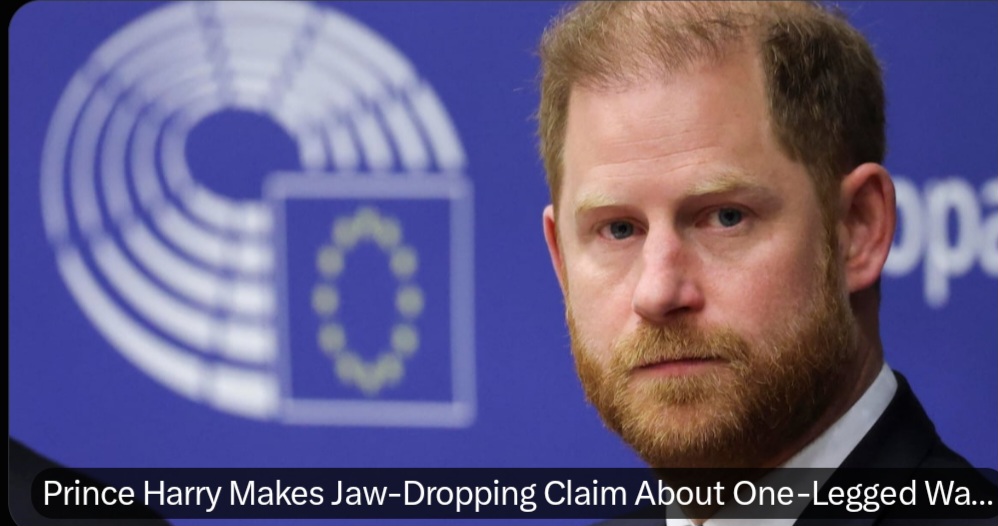
Prince Harry has sparked fresh debate after making striking comments about how attitudes towards disabled and wounded military veterans in Britain have changed since the launch of the Invictus Games.
During his recent surprise visit to Lviv, Ukraine, the Duke of Sussex reflected on the challenges veterans faced when returning from military service with physical injuries, including amputations. His remarks, reported by Molly Mulshine of The Daily Beast, have drawn attention to the social stigma that wounded service personnel have historically experienced.
Harry recalled that when the Invictus Games began more than a decade ago, some parents in the United Kingdom would reportedly move their children away from veterans with visible disabilities because they felt uncomfortable or did not know how to respond.
According to Harry, the prevailing attitude was often shaped by fear, uncertainty and pity rather than admiration and respect.
He believes the Invictus Games helped challenge those perceptions by giving wounded veterans an international platform to demonstrate their abilities, determination and achievements.
Harry Says Invictus Changed the Conversation
Founded by Harry in 2014, the Invictus Games is an international sporting competition for wounded, injured and sick military personnel and veterans.
The event was inspired partly by Harry’s military experience and his visit to the Warrior Games in the United States.
Over the years, it has grown into a significant international sporting movement, bringing together competitors from different countries and highlighting the importance of rehabilitation, community and support.
Harry argued that the public’s attitude has gradually shifted, with more people now approaching disabled veterans to hear their stories rather than avoiding them.
He described this change as an important achievement of the Invictus movement.
The Daily Beast Raises an Important Question
However, Molly Mulshine’s report also offered a different perspective.
While acknowledging that discrimination and stigma against disabled people remain genuine concerns, the article questioned whether the dramatic cultural transformation Harry described could be attributed primarily to the Invictus Games.
Britain had already introduced initiatives supporting disabled veterans long before the competition was established.
For example, the King’s National Roll was introduced in 1919 to encourage employers to provide opportunities for disabled former servicemen. The country also developed other employment protections and sporting initiatives that contributed to the wider recognition of people with disabilities.
The Stoke Mandeville Games, which began in 1948, also played an important role in the development of disability sports and the Paralympic movement.
Nevertheless, Harry’s contribution through Invictus remains an important part of the modern conversation about veterans’ rehabilitation and public recognition.
Harry Continues Supporting Wounded Veterans in Ukraine
During his latest visit to Ukraine, Harry met wounded soldiers, visited rehabilitation facilities and watched veterans participate in sporting activities.
He also praised the resilience of Ukrainian service personnel and encouraged continued investment in their wellbeing after they leave military service.
The Duke expressed hope that Ukraine would eventually host its own Invictus Games after the war ends.
Ukraine is also preparing to send a team of approximately 60 competitors to the 2027 Invictus Games in Birmingham.
A Legacy Bigger Than Royal Controversies?
Harry’s comments have once again placed the spotlight on one of his most significant charitable projects.
Although questions remain about how much of Britain’s changing attitudes can be attributed to Invictus alone, the competition has undoubtedly created opportunities for wounded veterans to share their experiences and showcase their abilities.
For many supporters, the real achievement is not about royal recognition or personal praise. It is about ensuring that those who served their countries are respected, supported and given opportunities to rebuild their lives.
And perhaps that is the most important message behind the Invictus Games: a person’s worth should never be measured by their injuries or physical abilities.

🔥🚨 HYPOCRISY EXPOSED! PRINCE HARRY UNDER FIRE FOR DEMANDING PRIVACY FOR HIS OWN CHILDREN WHILE ALLEGEDLY ALLOWING OTHER PEOPLE’S KIDS TO BE LIFTED UP FOR CAMERAS! 😱📸 ROYAL CRITICS ARE FURIOUS, ACCUSING HARRY OF DOUBLE STANDARDS — AND ONE BLISTERING QUESTION IS NOW DOMINATING THE DEBATE: IF PRIVACY MATTERS SO MUCH TO YOU, WHY SHOULD THE RULES BE DIFFERENT FOR EVERYONE ELSE? 👑💥

Awkward! What happened when I bumped into HARRY and MEGHAN at winterWonderLDN, the behind the scenes detail that’s SO telling…and why a Palace insider tells me: ‘It’s clear to me what Harry’s up to.’

🚨🔥 WINTER WONDERLAND CONTROVERSY! PRINCE HARRY AND MEGHAN MARKLE FACE FRESH QUESTIONS AFTER BEING SPOTTED WITH CHILDREN — WHO ARE THE LITTLE ONES? 😳👀 ROYAL WATCHERS ARE DEMANDING ANSWERS, WHILE SPECULATION OVER THE CHILDREN’S IDENTITIES AND THE COUPLE’S UNEXPECTED OUTING SENDS SOCIAL MEDIA INTO A FRENZY! WHAT’S REALLY GOING ON? 👑

🔥🚨 JUST IN: PALACE ROCKED BY HEARTBREAKING NEWS ABOUT PRINCESS CATHERINE AFTER OVERNIGHT SURGERY! Doctors Reveal Encouraging Test Results, But A DEVASTATING New Development Has Left Royal Fans STUNNED! 😢💔 The Palace’s Latest Update Raises More Questions About Her Recovery — And One Chilling Statement Has Everyone WORRIED! 👑

🚨🇺🇸 BREAKING: DONALD TRUMP MAKES MAJOR MOVE AGAINST SANCTUARY CITIES! He Announces a Suspension of Federal Funding, Triggering a Fierce Nationwide Debate! SUPPORTERS AND CRITICS ARE DIVIDED — IS THIS THE RIGHT MOVE FOR AMERICA? 🔥🇺🇸 YES OR NO? WHAT’S YOUR TAKE? 👇

SAD NEWS: Prince William and Princess Catherine Rushed for Emergency Medical Attention After Terrifying Mumbai Rickshaw Accident! King Charles Reportedly Receives Devastating News as Palace Officials Face Growing Questions About the Couple’s Condition. But What Happened to Catherine Moments After the Rickshaw Plunged Into the Water Has Left Royal Watchers Deeply Worried

President Trump joins world leaders for a Family Photo at the APEC gathering in China, greeting Chinese President Xi Jinping and other leaders before they pose together the moment comes as Trump meets with international leaders for high-level diplomatic talks.

12 A.M. BUCKINGHAM HORROR! With eyes brimming with tears, William stood as the final pillar of the monarchy, announcing a catastrophic loss. Anne and the princes were called in at once — Harry excluded. Then, a wail of despair echoed through the hall: ‘My brother… oh God… you have

🔥🚨 PURE CHAOS AT THE 38TH PARALLEL! TRUMP STUNS THE WORLD BY STEPPING INTO NORTH KOREA — BUT HIS BODYGUARDS’ PANICKED REACTION STEALS THE SHOW! SECURITY AGENTS APPEAR ON HIGH ALERT AS TENSIONS EXPLODE IN A HEART-STOPPING MOMENT THAT HAS THE INTERNET GOING WILD! 😱🌍

♥️🔥🚨Meghan Markle, 45, spotted sharing a deeply intimate moment with Prince William, 44, at a UK beach without Prince Harry and Kate Middleton, unaware they were being photographed, as one shocking detail about Meghan’s look raises big questions👀

💔 PRINCE WILLIAM DEVASTATED! Emotional Royal Update About His Father, King Charles, Leaves Fans Heartbroken as Palace News Sparks Concern..We are sorry to Announce…..
