
CELEBRITY
Prince Harry made an unannounced two-day visit to Lviv, his fourth trip to Ukraine since Russia’s full-scale invasion, and said he’d “taken a risk to come here.”

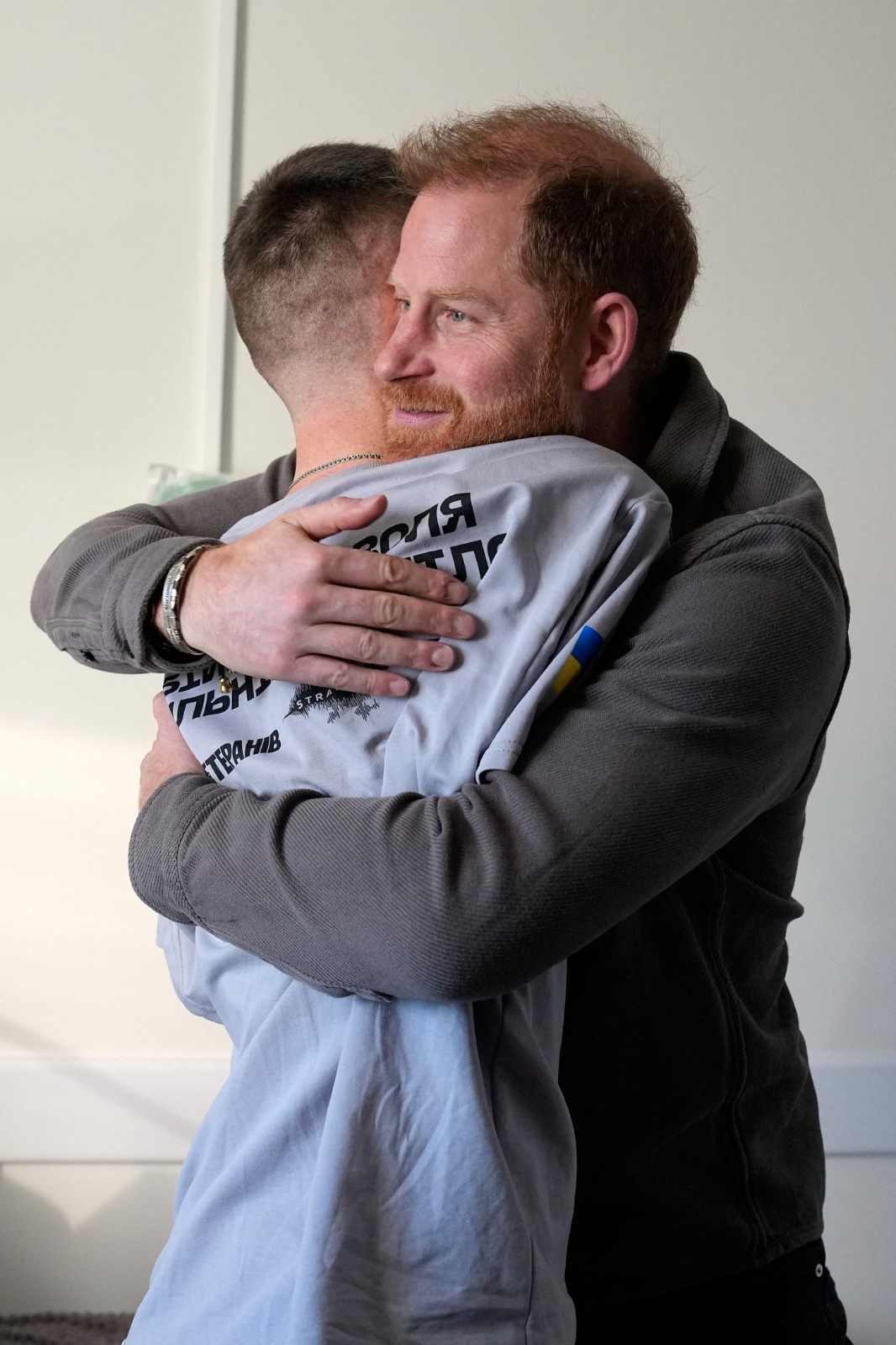
Prince Harry has once again demonstrated his commitment to supporting Ukraine after making an unannounced two-day visit to the western Ukrainian city of Lviv, marking his fourth trip to the country since Russia launched its full-scale invasion in February 2022.
The Duke of Sussex’s latest visit, which took place on November 14 and 15, 2026, was kept private for security reasons. His arrival was particularly significant as he travelled to meet wounded Ukrainian veterans, medical professionals and people whose lives have been profoundly affected by the ongoing conflict.
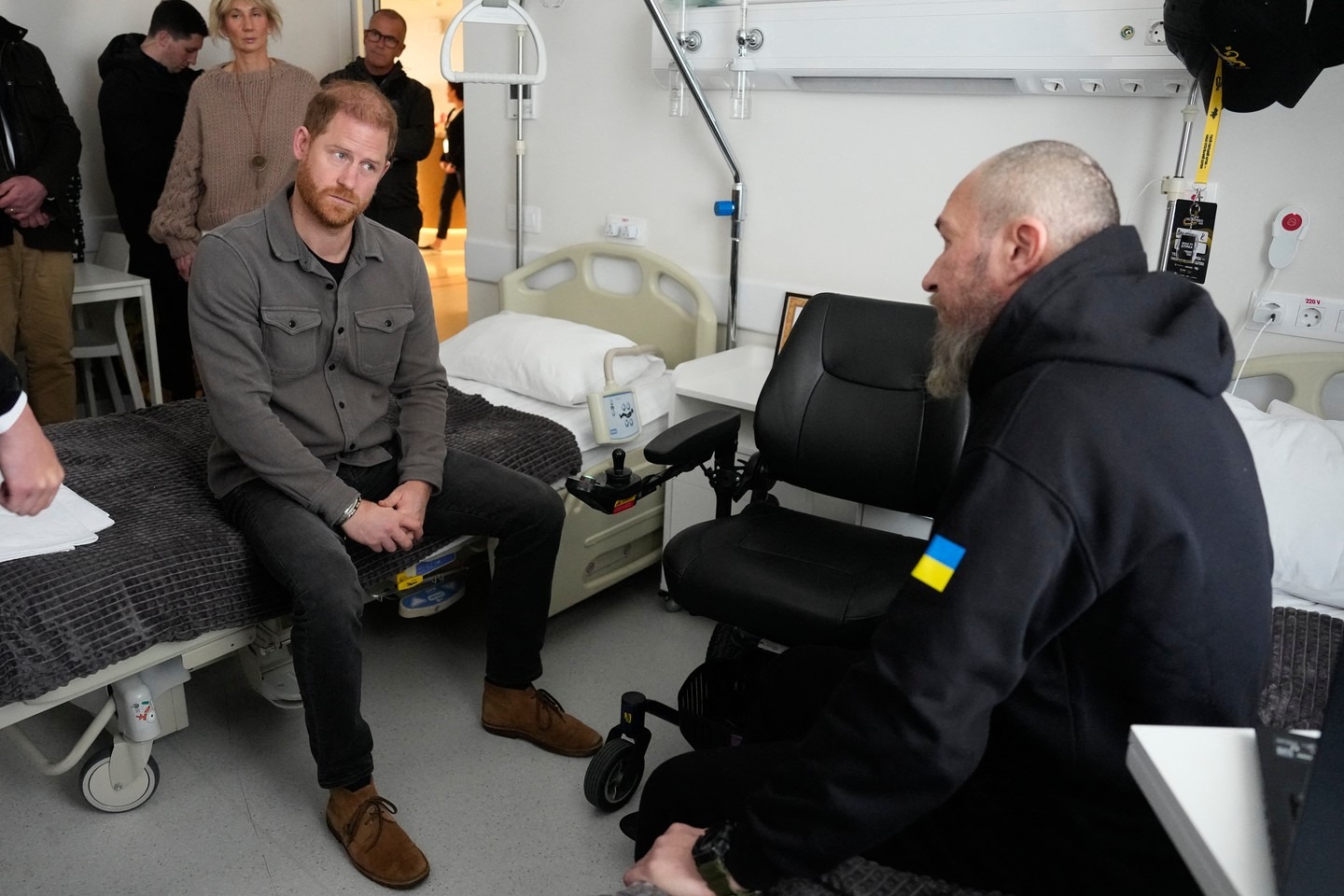
During his visit, Harry attended events connected to Ukraine’s National Invictus Games and met injured military personnel preparing to compete in the 2027 Invictus Games in Birmingham, England.
Speaking at a conference organised by Superhumans, a specialist rehabilitation centre supporting people injured during the war, Harry acknowledged the risks involved in travelling to the country.
He explained that despite the difficult circumstances, he continued to feel welcomed whenever he returned to Ukraine.
“Every single time I come back to Ukraine, I feel welcome, I feel warmth,” he said.
The prince also delivered an encouraging message to those affected by the conflict, expressing confidence in Ukraine’s future.
“You’re going to win the war and then you’re going to be set up for success,” he told attendees.
An Emotional Meeting With Wounded Veterans
One of the most significant moments of Harry’s visit involved his interaction with Ukrainian veterans participating in adaptive sports.
The prince watched wheelchair rugby players competing for places on Ukraine’s team for the next Invictus Games.
He also reunited with Valery Odainyk, a Ukrainian serviceman and former Invictus Games competitor who has continued participating in adaptive sports despite his injuries.
Harry appeared particularly interested in hearing about his training and how he managed to balance his military responsibilities with sporting commitments.
The meeting highlighted the importance of the Invictus movement in helping wounded service personnel rebuild confidence, develop friendships and discover new opportunities.
Harry Makes a Promise to Ukraine’s Veterans
Beyond meeting individual veterans, Harry made a significant commitment concerning Ukraine’s future.
He told wounded service members that the Invictus Games Foundation would be prepared to support Ukraine in hosting its own edition of the international sporting event once the war ends.
“When the war is over and when Ukraine wins, we will be ready to support you in holding an Invictus Games,” he said.
Founded by Harry in 2014, the Invictus Games provide an international platform for wounded, injured and sick military personnel and veterans to participate in adaptive sports.
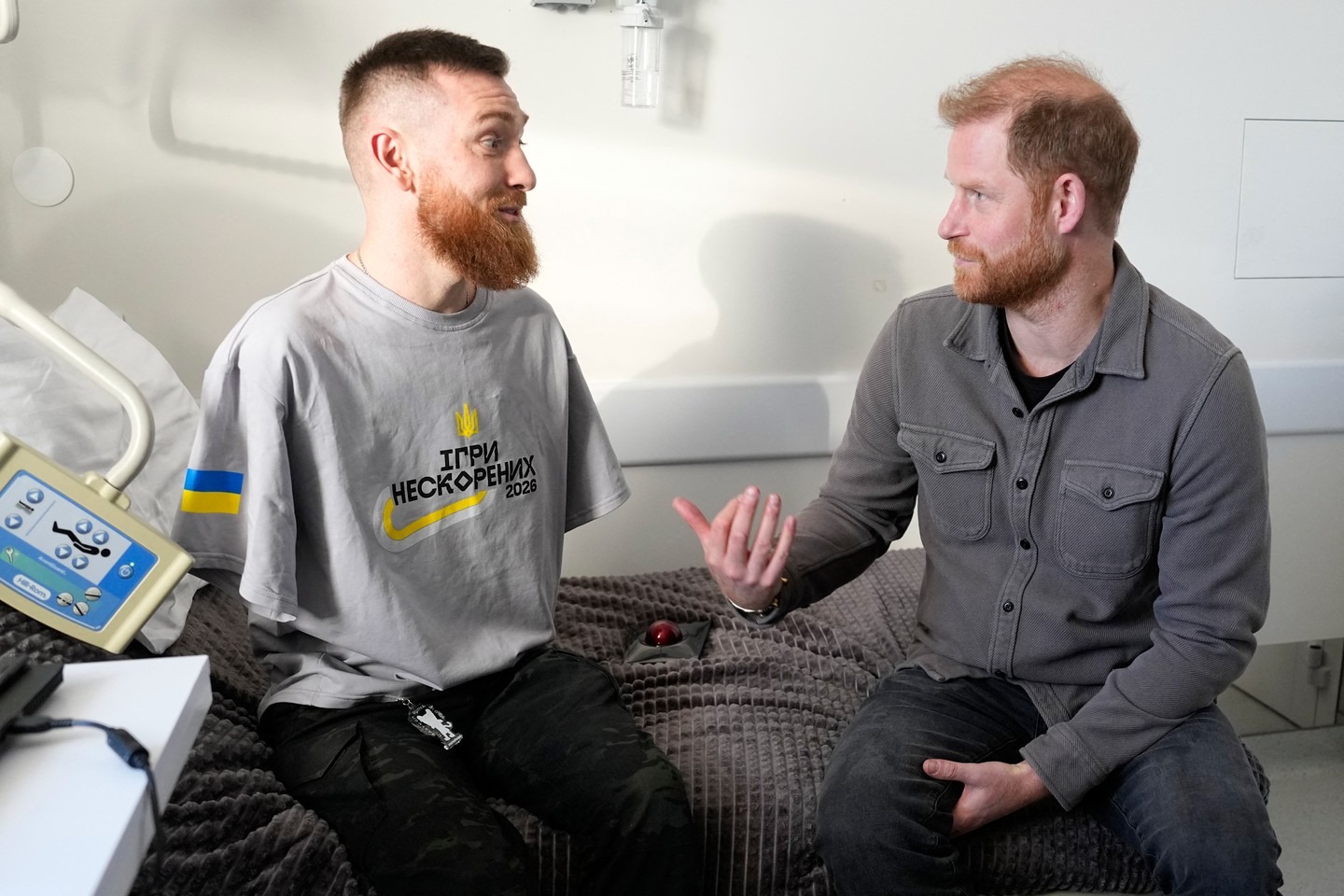
Ukraine is planning to send approximately 60 competitors to the 2027 Games, potentially making it the country’s largest-ever team.
A Visit That Highlights Harry’s Humanitarian Work
Harry’s latest journey to Ukraine reinforces his continued involvement in humanitarian causes, particularly those connected to military veterans and rehabilitation.
His military background and personal experiences have helped shape his commitment to supporting injured service members through the Invictus movement.
Although his decision to travel into a country experiencing an ongoing war has attracted considerable attention, the focus of his visit remained on the people he met and the challenges they continue to face.
For many observers, the trip represents another example of Harry using his public platform to highlight the experiences of people whose lives have been affected by conflict.
His message to Ukrainian veterans was ultimately one of encouragement, solidarity and hope for a future in which they can rebuild their lives and communities.
As the war continues, Harry’s promise to support a future Invictus Games in Ukraine offers a reminder that the recovery of wounded veterans will remain important long after the fighting ends.

Awkward! What happened when I bumped into HARRY and MEGHAN at winterWonderLDN, the behind the scenes detail that’s SO telling…and why a Palace insider tells me: ‘It’s clear to me what Harry’s up to.’

🚨🔥 WINTER WONDERLAND CONTROVERSY! PRINCE HARRY AND MEGHAN MARKLE FACE FRESH QUESTIONS AFTER BEING SPOTTED WITH CHILDREN — WHO ARE THE LITTLE ONES? 😳👀 ROYAL WATCHERS ARE DEMANDING ANSWERS, WHILE SPECULATION OVER THE CHILDREN’S IDENTITIES AND THE COUPLE’S UNEXPECTED OUTING SENDS SOCIAL MEDIA INTO A FRENZY! WHAT’S REALLY GOING ON? 👑

🔥🚨 JUST IN: PALACE ROCKED BY HEARTBREAKING NEWS ABOUT PRINCESS CATHERINE AFTER OVERNIGHT SURGERY! Doctors Reveal Encouraging Test Results, But A DEVASTATING New Development Has Left Royal Fans STUNNED! 😢💔 The Palace’s Latest Update Raises More Questions About Her Recovery — And One Chilling Statement Has Everyone WORRIED! 👑

🚨🇺🇸 BREAKING: DONALD TRUMP MAKES MAJOR MOVE AGAINST SANCTUARY CITIES! He Announces a Suspension of Federal Funding, Triggering a Fierce Nationwide Debate! SUPPORTERS AND CRITICS ARE DIVIDED — IS THIS THE RIGHT MOVE FOR AMERICA? 🔥🇺🇸 YES OR NO? WHAT’S YOUR TAKE? 👇

SAD NEWS: Prince William and Princess Catherine Rushed for Emergency Medical Attention After Terrifying Mumbai Rickshaw Accident! King Charles Reportedly Receives Devastating News as Palace Officials Face Growing Questions About the Couple’s Condition. But What Happened to Catherine Moments After the Rickshaw Plunged Into the Water Has Left Royal Watchers Deeply Worried

President Trump joins world leaders for a Family Photo at the APEC gathering in China, greeting Chinese President Xi Jinping and other leaders before they pose together the moment comes as Trump meets with international leaders for high-level diplomatic talks.

12 A.M. BUCKINGHAM HORROR! With eyes brimming with tears, William stood as the final pillar of the monarchy, announcing a catastrophic loss. Anne and the princes were called in at once — Harry excluded. Then, a wail of despair echoed through the hall: ‘My brother… oh God… you have

🔥🚨 PURE CHAOS AT THE 38TH PARALLEL! TRUMP STUNS THE WORLD BY STEPPING INTO NORTH KOREA — BUT HIS BODYGUARDS’ PANICKED REACTION STEALS THE SHOW! SECURITY AGENTS APPEAR ON HIGH ALERT AS TENSIONS EXPLODE IN A HEART-STOPPING MOMENT THAT HAS THE INTERNET GOING WILD! 😱🌍

♥️🔥🚨Meghan Markle, 45, spotted sharing a deeply intimate moment with Prince William, 44, at a UK beach without Prince Harry and Kate Middleton, unaware they were being photographed, as one shocking detail about Meghan’s look raises big questions👀

💔 PRINCE WILLIAM DEVASTATED! Emotional Royal Update About His Father, King Charles, Leaves Fans Heartbroken as Palace News Sparks Concern..We are sorry to Announce…..

🚨 ROYAL FANS STUNNED! Strange Mark on Princess Katherine’s Hand Sparks Questions During Mumbai Metro Ride — But What Prince William Did as She Fell Asleep Has Everyone Talking! 😳
