
CELEBRITY
🚨 BREAKING: Trump RETURNS to the White House After Reports of Drone Assassination Threats Kept Him Away — But One SHOCKING Detail About His Arrival Is Raising Serious Questions About What Really Happened… whether the Threat was Genuine or Lies…..

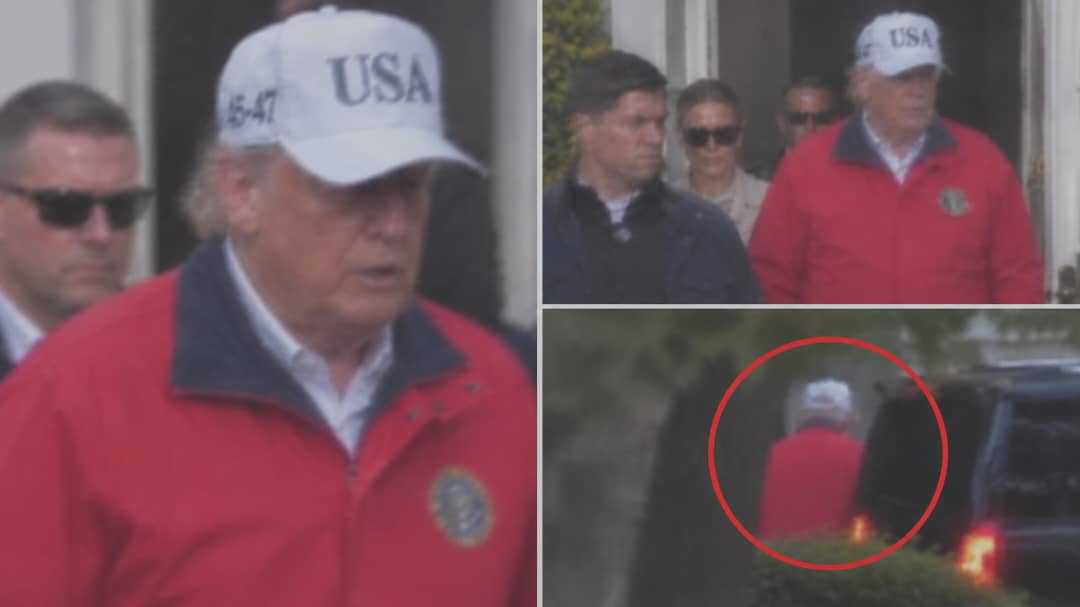
Washington is facing renewed questions about presidential security after President Donald Trump returned to the White House amid reports of a possible assassination plot involving explosive drones.
The reported threat has attracted considerable attention, particularly after claims emerged that Israeli intelligence had warned American officials about a potential Iranian operation targeting Trump and other senior members of his administration.
According to reports circulating on November 15, intelligence information allegedly prompted additional security precautions and a reduction in some of the president’s public appearances.
However, the controversy has taken another turn following Trump’s return to the White House.
THE DETAIL ABOUT HIS ARRIVAL THAT HAS EVERYONE TALKING
According to the publicly reported presidential schedule, Trump departed the White House on Sunday morning, November 15, for Trump National Golf Club in Washington, D.C.
He subsequently returned to the White House at approximately 2:02 p.m.
The detail is particularly interesting because it comes amid sensational claims that the president had been avoiding normal public appearances because of the alleged drone threat.
His documented movements have therefore prompted questions about whether the situation was as extraordinary as some online reports suggested.
However, there is no verified evidence that Trump was forced into hiding or that his return was connected to the discovery of an imminent attack.
WAS THE ASSASSINATION THREAT GENUINE?
This is perhaps the biggest question surrounding the developing controversy.
Reports attributed to Israeli intelligence sources suggest that Mossad shared information with American intelligence agencies concerning a possible Iranian assassination operation.
Some reports also indicate that American officials wanted additional verification of the intelligence.
That distinction matters.
An intelligence warning can be serious enough to justify precautionary security measures without necessarily establishing that an attack is imminent.
Consequently, questions about the credibility of the reported intelligence should not automatically be interpreted as proof that the threat was fabricated.
WHY THE WHITE HOUSE FACES QUESTIONS
The controversy comes at a particularly sensitive time for Trump’s administration.
The president has previously faced assassination threats, making reports of another potential security incident especially concerning.
Americans understandably want clarity about the intelligence behind the latest warning, the precautions taken by security officials and whether the reported danger has diminished.
The White House and relevant security agencies have an important responsibility to distinguish confirmed information from speculation.
THE BIG QUESTION REMAINS
For now, Trump’s return to the White House is documented, but the full circumstances surrounding the reported drone assassination threat remain unclear.
There is no established evidence proving that the warning was a deliberate fabrication. Equally, the available public information does not establish that an actual drone attack was imminent.
The biggest unanswered question is whether the intelligence agencies received a credible warning that required extraordinary precautions or whether the initial reports overstated the available evidence.
Until further official information emerges, speculation should not be mistaken for confirmation.
One thing is certain: the controversy has placed presidential security and the credibility of intelligence warnings firmly back in the spotlight.
Was the reported threat a genuine security concern, or did the public receive an exaggerated version of events? That is the question Washington still needs to answer.

🔥🚨 JUST IN: PALACE ROCKED BY HEARTBREAKING NEWS ABOUT PRINCESS CATHERINE AFTER OVERNIGHT SURGERY! Doctors Reveal Encouraging Test Results, But A DEVASTATING New Development Has Left Royal Fans STUNNED! 😢💔 The Palace’s Latest Update Raises More Questions About Her Recovery — And One Chilling Statement Has Everyone WORRIED! 👑

🚨🇺🇸 BREAKING: DONALD TRUMP MAKES MAJOR MOVE AGAINST SANCTUARY CITIES! He Announces a Suspension of Federal Funding, Triggering a Fierce Nationwide Debate! SUPPORTERS AND CRITICS ARE DIVIDED — IS THIS THE RIGHT MOVE FOR AMERICA? 🔥🇺🇸 YES OR NO? WHAT’S YOUR TAKE? 👇

SAD NEWS: Prince William and Princess Catherine Rushed for Emergency Medical Attention After Terrifying Mumbai Rickshaw Accident! King Charles Reportedly Receives Devastating News as Palace Officials Face Growing Questions About the Couple’s Condition. But What Happened to Catherine Moments After the Rickshaw Plunged Into the Water Has Left Royal Watchers Deeply Worried

President Trump joins world leaders for a Family Photo at the APEC gathering in China, greeting Chinese President Xi Jinping and other leaders before they pose together the moment comes as Trump meets with international leaders for high-level diplomatic talks.

12 A.M. BUCKINGHAM HORROR! With eyes brimming with tears, William stood as the final pillar of the monarchy, announcing a catastrophic loss. Anne and the princes were called in at once — Harry excluded. Then, a wail of despair echoed through the hall: ‘My brother… oh God… you have

🔥🚨 PURE CHAOS AT THE 38TH PARALLEL! TRUMP STUNS THE WORLD BY STEPPING INTO NORTH KOREA — BUT HIS BODYGUARDS’ PANICKED REACTION STEALS THE SHOW! SECURITY AGENTS APPEAR ON HIGH ALERT AS TENSIONS EXPLODE IN A HEART-STOPPING MOMENT THAT HAS THE INTERNET GOING WILD! 😱🌍

♥️🔥🚨Meghan Markle, 45, spotted sharing a deeply intimate moment with Prince William, 44, at a UK beach without Prince Harry and Kate Middleton, unaware they were being photographed, as one shocking detail about Meghan’s look raises big questions👀

💔 PRINCE WILLIAM DEVASTATED! Emotional Royal Update About His Father, King Charles, Leaves Fans Heartbroken as Palace News Sparks Concern..We are sorry to Announce…..

🚨 ROYAL FANS STUNNED! Strange Mark on Princess Katherine’s Hand Sparks Questions During Mumbai Metro Ride — But What Prince William Did as She Fell Asleep Has Everyone Talking! 😳

🚨🚨 BREAKING!!! 17 minutes ago King Charles finally makes huge announcement following his heart-breaking health update as ‘bits are dropping off’.

BREAKING: King Charles Left SOBBING After Receiving Devastating News About Prince Harry in Ukraine! His Heartbreaking Reaction Has Left Royal Fans in Tears, as One Palace Insider Reveals the Painful Words King Charles Could Barely Bring Himself to Say…
